Ta’wil and the Unfolding of Historical Meaning in the Qur’an
The Qur’an describes itself as speaking in metaphor and symbol, suggesting the necessity of human effort to ascertain an interpretation (ta’wil) of the scripture beyond its plain sense meaning, even as it sternly cautions against misreading its “signs” and warns that there is some moral peril in engaging in ta’wil (Q 3:7). Despite these warnings, the openness and richness of Qur’anic language has engendered, since earliest times, a vibrant tradition of exegesis, which includes philosophical and mystical commentaries that significantly expand the range of potential meanings of the Qur’anic verses. However, other influential works of Islamic exegesis aim to limit the interpretation of Qur’anic verses to their historically established traditional readings and to discourage the continued exploration of the scripture’s meaning for later readers. In this talk, I explore this paradoxical situation, and argue that the Qur’an’s own use of the term ta’wil suggests that the scripture’s meaning expands not only along a vertical, spiritual axis of “higher” or “deeper” meanings, but also horizontally through the course of history, such that the fullness of its meaning may continue to develop or be revealed over time.
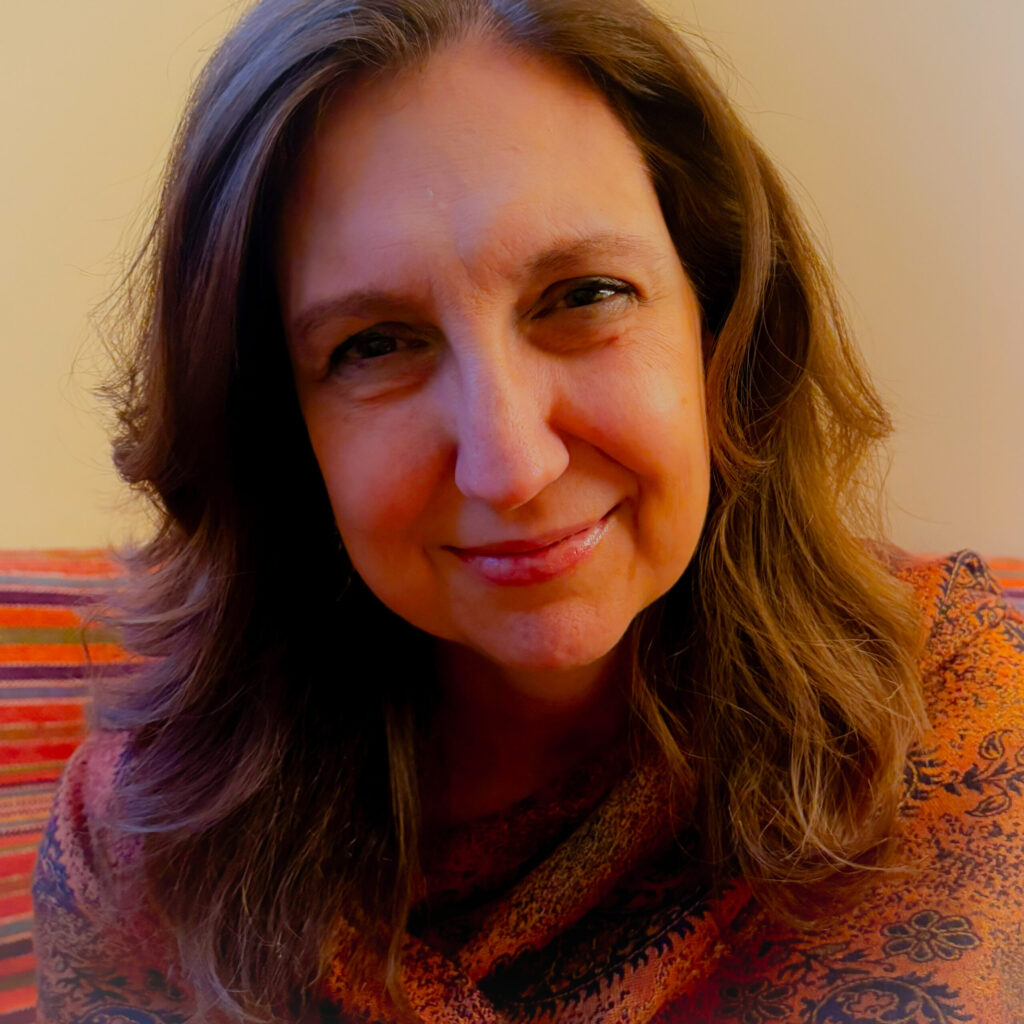
Maria Massi Dakake is Associate Professor of Religious Studies at George Mason University in Fairfax, Virginia. She currently serves as director of the MA program in Middle East and Islamic Studies and of the undergraduate Islamic Studies program at GMU. She holds an MA and PhD in Near Eastern Studies from Princeton University, and her research has been supported by grants from the National Endowment for the Humanities and the John Templeton Foundation, among others. Her publications lie in the field of Islamic intellectual history, with a particular interest in Qur’anic studies, Shi’i and Sufi traditions, and women’s religious experiences. She is associate editor and co-author of The Study Qur’an (HarperOne, 2015); co-editor of the Routledge Companion to the Qur’an (2021); and author of The Charismatic Community: Shi‘ite Identity in Early Islam (SUNY Press, 2008). Her current work includes a forthcoming monograph, Toward an Islamic Theory of Religion, and a study of the Persian Qur’an commentary by Nusrat Amin.